Original: $2.32
-70%$2.32
$0.70The Story
Lemon Balm Seeds (Melissa officinalis)
If you brush past this plant, you are instantly hit with a cloud of pure sherbet-lemon fragrance. Lemon Balm is a vigorous, leafy herb that has been grown in cottage gardens for centuries, prized for its ability to "gladden the heart" and calm the nerves.
While it looks unassuming—resembling a bright green, crinkly mint—it is a powerhouse of flavour. It makes the finest fresh herbal tea (far superior to dried teabags), adds a citrus kick to fruit salads, and is the secret ingredient in many summer cordials. It is incredibly easy to grow, thriving in spots where sun-loving Mediterranean herbs might struggle.
Read More
🌿 Understanding the Plant
Lemon Balm is a Hardy Perennial.
It dies back in winter and returns larger every spring.
The Growth Habit: It belongs to the Mint family, so it is vigorous! However, unlike Peppermint which runs underground, Lemon Balm spreads by seeds and expanding clumps. It is well-behaved enough for a border but is fantastic in a pot if you want to keep it neat.
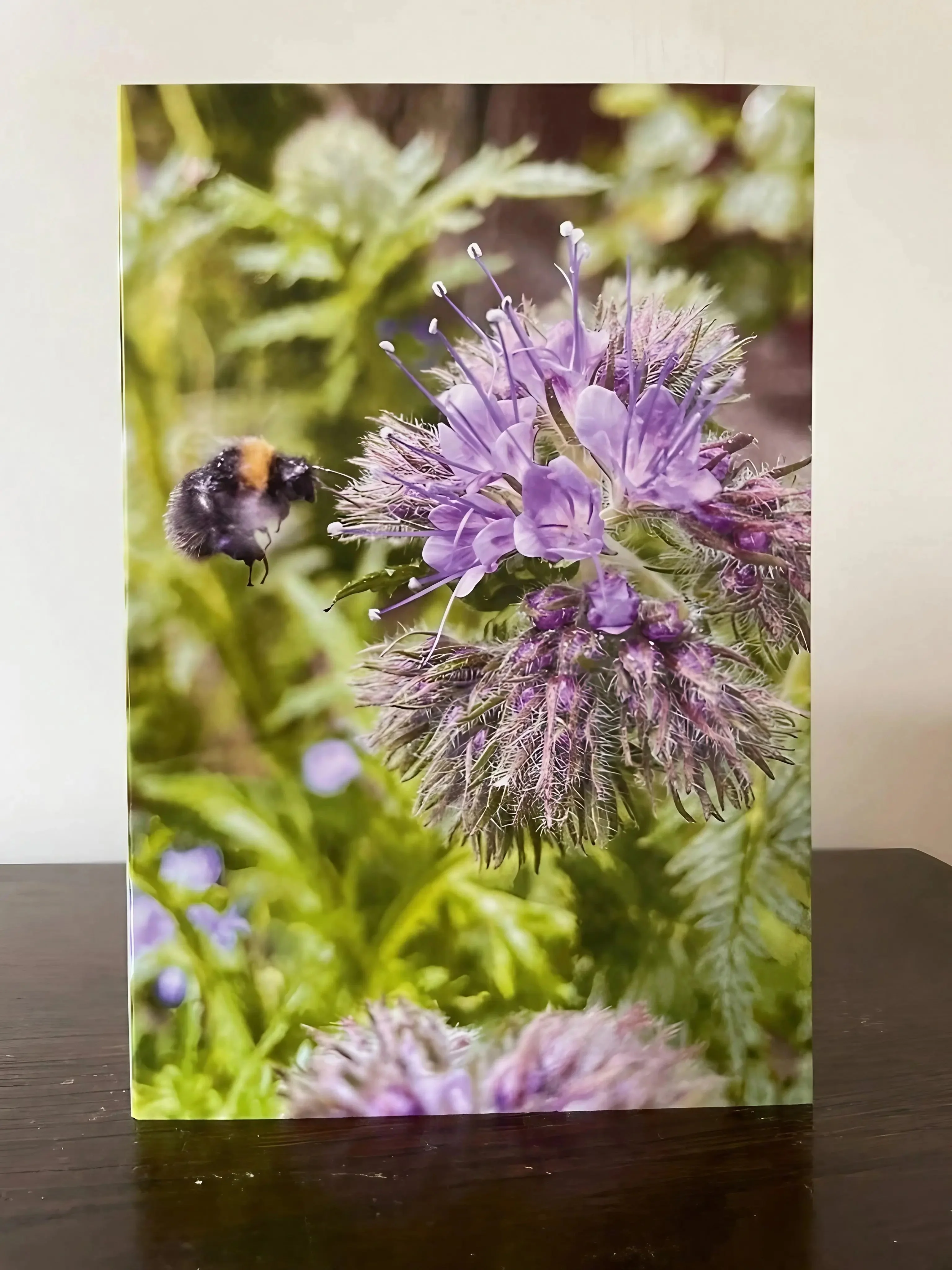
Top Tip: Bees are obsessed with this plant (Melissa is Greek for "Bee"). If you grow fruit trees or beans, plant Lemon Balm nearby to guarantee pollination.
🌱 Growing Guide: How to Sow and Grow
This is one of the easiest herbs to start from seed.
Germination:
Sow indoors from March to May. Scatter seeds on the surface of moist compost. Do not cover them (or use a tiny dusting of vermiculite), as they need light to germinate. Keep warm (20°C). Germination takes 10-20 days.
Where to Sow:
It is unfussy! It grows well in sun or partial shade. It prefers soil that holds some moisture (unlike Thyme or Rosemary), making it a great choice for clay soils or slightly damper corners of the garden.
Care While Growing:
The Summer Chop: After it flowers in mid-summer, the plant can look a bit straggly. Cut it right back to the ground, water it well, and it will produce a fresh flush of bright green leaves for autumn harvesting.
📋 Plant Specifications
| Latin Name | Melissa officinalis |
| Common Name | Lemon Balm |
| Hardiness | H7 (Very Hardy) |
| Light Required | Sun / Part Shade ⛅ |
| Height | ↕️ 60cm - 80cm |
| Spread | ↔️ 45cm |
| Spacing | 🌱 45cm apart |
| Great for | 🫖 Herbal Tea 🐝 Bee Magnet 🍰 Cake Decorating 💆♀️ Relaxation |
| Seed Count | Approx. 200 seeds per packet |
🤝 Perfect Garden Companions
Lemon Balm is green and leafy, so it pairs well with bright flowers or other tea herbs:
- 🍬 Peppermint: The Tea Garden. Plant Lemon Balm and Peppermint in separate pots side-by-side. They are the two essential flavours for herbal infusions and look lush and verdant together on a patio.
- 🍓 Strawberries: The Fruit Bowl. Lemon Balm attracts pollinators which helps increase your strawberry yield. Plus, the flavours (lemon and strawberry) are a match made in heaven.
📅 Sowing & Harvesting Calendar
Sow in spring. Harvest leaves from late spring to the first frost.
| Month | J | F | M | A | M | J | J | A | S | O | N | D |
|---|---|---|---|---|---|---|---|---|---|---|---|---|
| Sow Indoors | 🟢 | 🟢 | 🟢 | |||||||||
| Harvest | ✂️ | ✂️ | ✂️ | ✂️ | ✂️ | ✂️ |
⚠️ Self-Seeding Note
Lemon Balm produces thousands of seeds. Remove the flower spikes before they turn brown to stop it popping up all over your garden next year (unless you want a Lemon Balm forest!).
🏆 Officially Recognised Excellence
This is an ancient medicinal and culinary herb. It is listed on the RHS Plants for Pollinators list and is one of the most valuable nectar sources for bees in the herb garden.

Details & Craftsmanship
Every detail has been carefully considered to bring you the perfect product.

Details & Craftsmanship
Every detail has been carefully considered to bring you the perfect product.

Details & Craftsmanship
Every detail has been carefully considered to bring you the perfect product.
Description
Lemon Balm Seeds (Melissa officinalis)
If you brush past this plant, you are instantly hit with a cloud of pure sherbet-lemon fragrance. Lemon Balm is a vigorous, leafy herb that has been grown in cottage gardens for centuries, prized for its ability to "gladden the heart" and calm the nerves.
While it looks unassuming—resembling a bright green, crinkly mint—it is a powerhouse of flavour. It makes the finest fresh herbal tea (far superior to dried teabags), adds a citrus kick to fruit salads, and is the secret ingredient in many summer cordials. It is incredibly easy to grow, thriving in spots where sun-loving Mediterranean herbs might struggle.
Read More
🌿 Understanding the Plant
Lemon Balm is a Hardy Perennial.
It dies back in winter and returns larger every spring.
The Growth Habit: It belongs to the Mint family, so it is vigorous! However, unlike Peppermint which runs underground, Lemon Balm spreads by seeds and expanding clumps. It is well-behaved enough for a border but is fantastic in a pot if you want to keep it neat.
Top Tip: Bees are obsessed with this plant (Melissa is Greek for "Bee"). If you grow fruit trees or beans, plant Lemon Balm nearby to guarantee pollination.
🌱 Growing Guide: How to Sow and Grow
This is one of the easiest herbs to start from seed.
Germination:
Sow indoors from March to May. Scatter seeds on the surface of moist compost. Do not cover them (or use a tiny dusting of vermiculite), as they need light to germinate. Keep warm (20°C). Germination takes 10-20 days.
Where to Sow:
It is unfussy! It grows well in sun or partial shade. It prefers soil that holds some moisture (unlike Thyme or Rosemary), making it a great choice for clay soils or slightly damper corners of the garden.
Care While Growing:
The Summer Chop: After it flowers in mid-summer, the plant can look a bit straggly. Cut it right back to the ground, water it well, and it will produce a fresh flush of bright green leaves for autumn harvesting.
📋 Plant Specifications
| Latin Name | Melissa officinalis |
| Common Name | Lemon Balm |
| Hardiness | H7 (Very Hardy) |
| Light Required | Sun / Part Shade ⛅ |
| Height | ↕️ 60cm - 80cm |
| Spread | ↔️ 45cm |
| Spacing | 🌱 45cm apart |
| Great for | 🫖 Herbal Tea 🐝 Bee Magnet 🍰 Cake Decorating 💆♀️ Relaxation |
| Seed Count | Approx. 200 seeds per packet |
🤝 Perfect Garden Companions
Lemon Balm is green and leafy, so it pairs well with bright flowers or other tea herbs:
- 🍬 Peppermint: The Tea Garden. Plant Lemon Balm and Peppermint in separate pots side-by-side. They are the two essential flavours for herbal infusions and look lush and verdant together on a patio.
- 🍓 Strawberries: The Fruit Bowl. Lemon Balm attracts pollinators which helps increase your strawberry yield. Plus, the flavours (lemon and strawberry) are a match made in heaven.
📅 Sowing & Harvesting Calendar
Sow in spring. Harvest leaves from late spring to the first frost.
| Month | J | F | M | A | M | J | J | A | S | O | N | D |
|---|---|---|---|---|---|---|---|---|---|---|---|---|
| Sow Indoors | 🟢 | 🟢 | 🟢 | |||||||||
| Harvest | ✂️ | ✂️ | ✂️ | ✂️ | ✂️ | ✂️ |
⚠️ Self-Seeding Note
Lemon Balm produces thousands of seeds. Remove the flower spikes before they turn brown to stop it popping up all over your garden next year (unless you want a Lemon Balm forest!).
🏆 Officially Recognised Excellence
This is an ancient medicinal and culinary herb. It is listed on the RHS Plants for Pollinators list and is one of the most valuable nectar sources for bees in the herb garden.